Guides · · 11 min read
Best Heavyweight Cotton T-Shirts for Australian Wardrobes
Find the best heavyweight cotton t shirts in Australia with our GSM guide, fit advice and care tips, then compare tees built for training and daily wear.

Last Updated: November 11, 2026
Quick Summary
The best heavyweight cotton t shirts in Australia start at roughly 230 GSM, where the fabric has enough body to hold its shape. Our heavyweight core runs from the 6.5 oz (~220 GSM) Unity Classic Oversized Tee at $50 to the 7.1 oz (~240 GSM) Unity Heavy Faded Long Sleeve at $62, all in 100% combed cotton with a boxy, dropped-shoulder cut.
- Anything at or above roughly 230 GSM is where buyers start describing a tee as heavy.
- The Unity Classic Oversized Tee is $50 and the entry point to the heavyweight range.
- The Unity Heavy Faded Long Sleeve is the heaviest piece at 7.1 oz, roughly 240 GSM, for $62.
- In an oversized or dropped-shoulder cut, take the smaller size if your chest width sits between two sizes.
- Wash cold at 30°C or lower, skip fabric softener, and avoid the dryer to protect shape.
Table of Contents
- What Makes a Heavyweight Cotton T-Shirt Worth Buying
- Heavyweight T-Shirt GSM Guide: What the Numbers Actually Mean
- The Best Heavyweight Cotton Tees in the Quiet Unity Range
- Side-by-Side Comparison: Fit, Fabric and Price
- Fit and Sizing Across Body Types
- How to Wash Heavyweight Cotton Shirts So They Keep Their Shape
- Matching Fabric Weight to the Climate and the Season
- Shop the Quiet Unity Heavyweight Range
- Frequently Asked Questions
What Makes a Heavyweight Cotton T-Shirt Worth Buying
A heavyweight cotton T-shirt has enough mass to hold its structure, drape cleanly, and survive regular wear without going limp.
At Quiet Unity, we build our range around that idea: substance over spectacle.
What separates a genuinely heavy tee from a marketing claim?
Below, we break down what GSM means, compare our three heavyweight options, and show you how to size, wash and season them.
Heavyweight T-Shirt GSM Guide: What the Numbers Actually Mean
GSM stands for grams per square metre. It is the standard measure of fabric density: how much a square metre of the cloth weighs. A higher GSM means a denser, heavier fabric with more body and less transparency.
GSM Bands and What Counts as Heavyweight
A common approach is to sort tees into four rough bands:
| GSM Band | Weight Class | What It Feels Like |
|---|---|---|
| 120-150 GSM | Lightweight | Thin, semi-sheer, summer only |
| 150-190 GSM | Midweight | Standard retail tee, drapes softly |
| 190-230 GSM | Upper midweight | Noticeable body, still relaxed |
| 230 GSM+ | Heavyweight | Substantial, structured, holds shape |
Anything at or above roughly 230 GSM is where buyers start describing a tee as heavy. Many brands quote ounces per square yard, so a 6.5 oz fabric converts to roughly 220 GSM, and a 7.1 oz fabric to roughly 240 GSM.
Why Fabric Weight Changes How a Tee Feels and Wears
Heavier cotton gives a tee a structured feel. It stands away from the body rather than clinging, which is why boxy and oversized fits work so much better in heavy cloth.
The trade-off is breathability. A 280 GSM tee feels warmer than a 160 GSM one, fine in cooler months, uncomfortable in a heatwave.
The Best Heavyweight Cotton Tees in the Quiet Unity Range
Three tees form our heavyweight core, and they're cut from the same design logic: boxy, dropped shoulders, 100% combed cotton, built for daily wear. What changes is the weight and the finish.
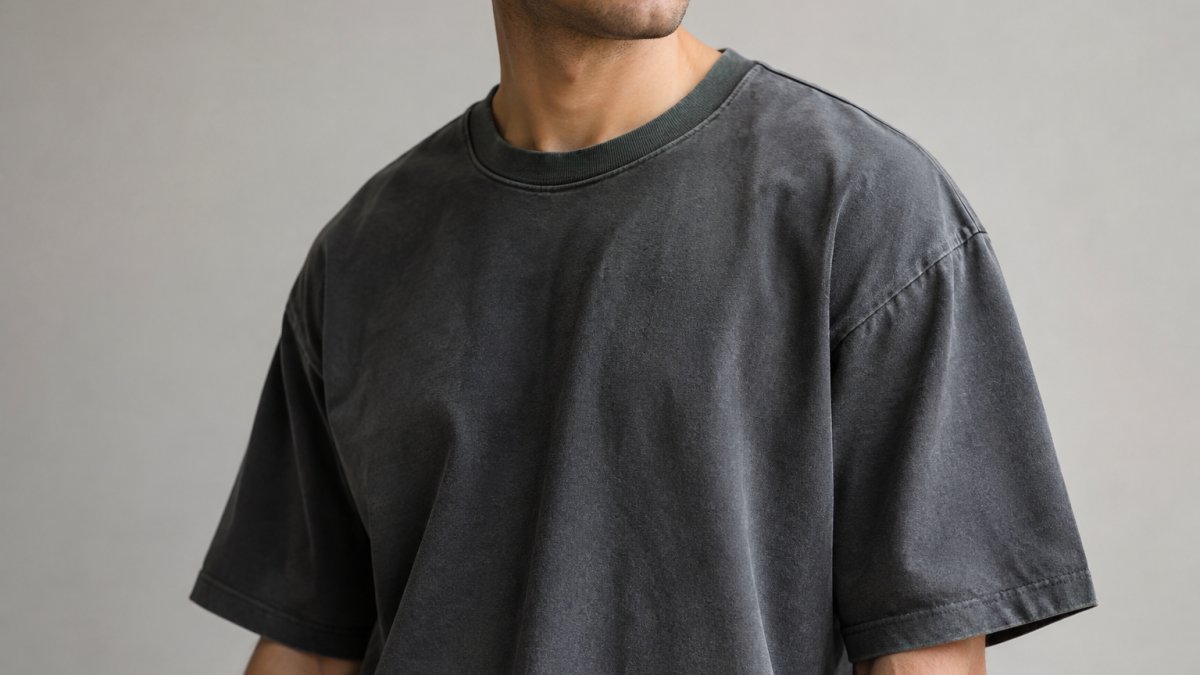
Unity Classic Oversized Tee: The Everyday Workhorse
The Unity Classic Oversized Tee is our starting point and, for most people, the right one.
Combed cotton matters here. Combing removes short fibres and impurities, leaving a smoother yarn.
At $50, it's the entry price to the range. See the full Unity Classic Oversized Tee details and sizing.
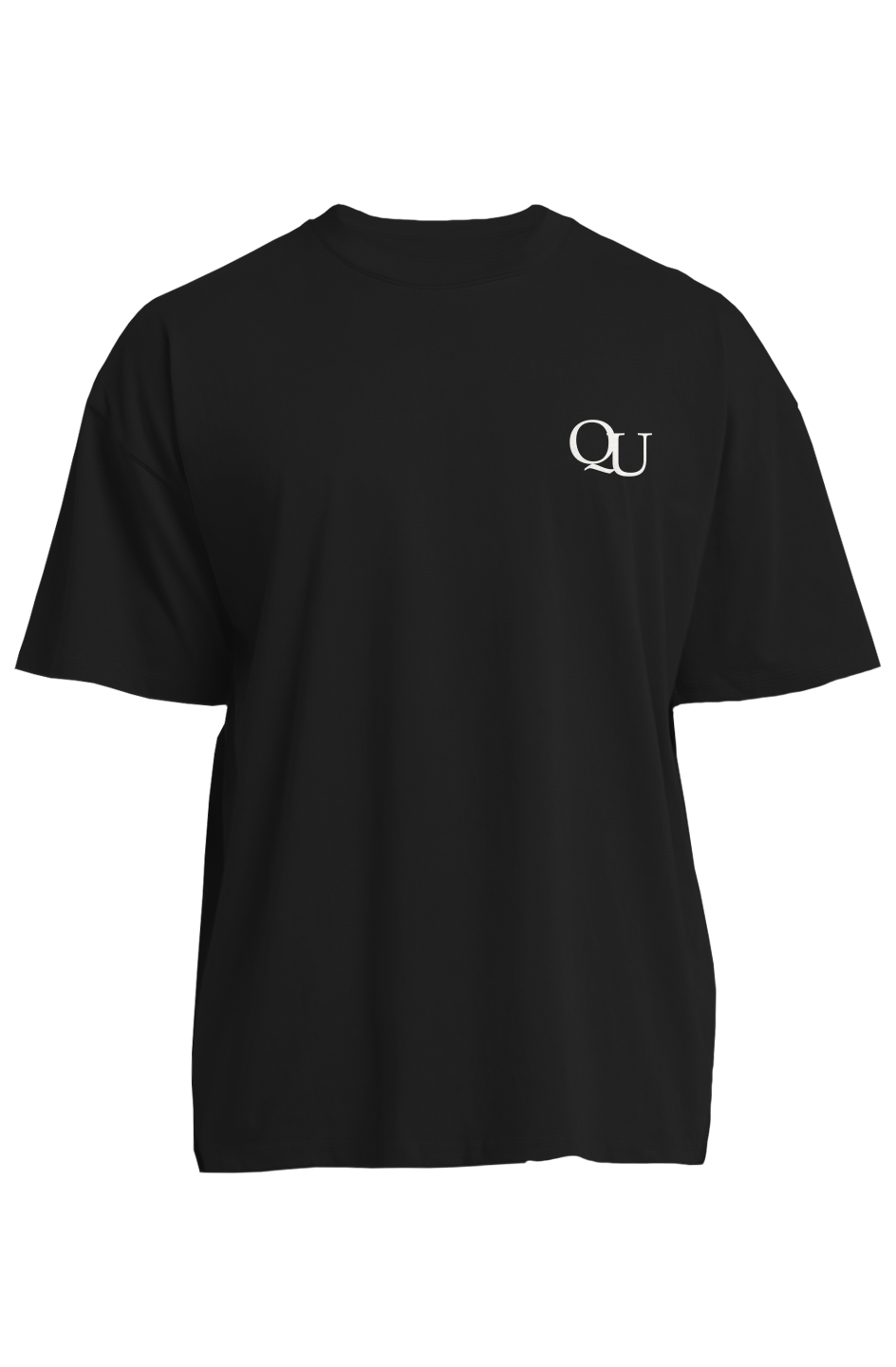
Best for: everyday wear, training, and anyone buying their first heavyweight tee. Skip if: you want the heaviest possible cloth.
Classic Oversized Tee: The Slightly Heavier Option
The Classic Oversized Tee shares the same 6.5 oz combed cotton base and boxy cut as the Unity Classic, with a slightly different finish and a $55 price point.
Think of it as a second colourway decision rather than a spec upgrade. If the Unity Classic isn't in the tone you want, the Classic Oversized Tee likely is.
Best for: buyers who want the same fit with a different finish. Skip if: you're chasing maximum fabric weight.
Unity Heavy Faded Long Sleeve: Heaviest in the Lineup
The Unity Heavy Faded Long Sleeve is the outlier and the heaviest piece we make.
It's $62 and the piece we'd point to for cooler months and layered outfits. View the Unity Heavy Faded Long Sleeve.
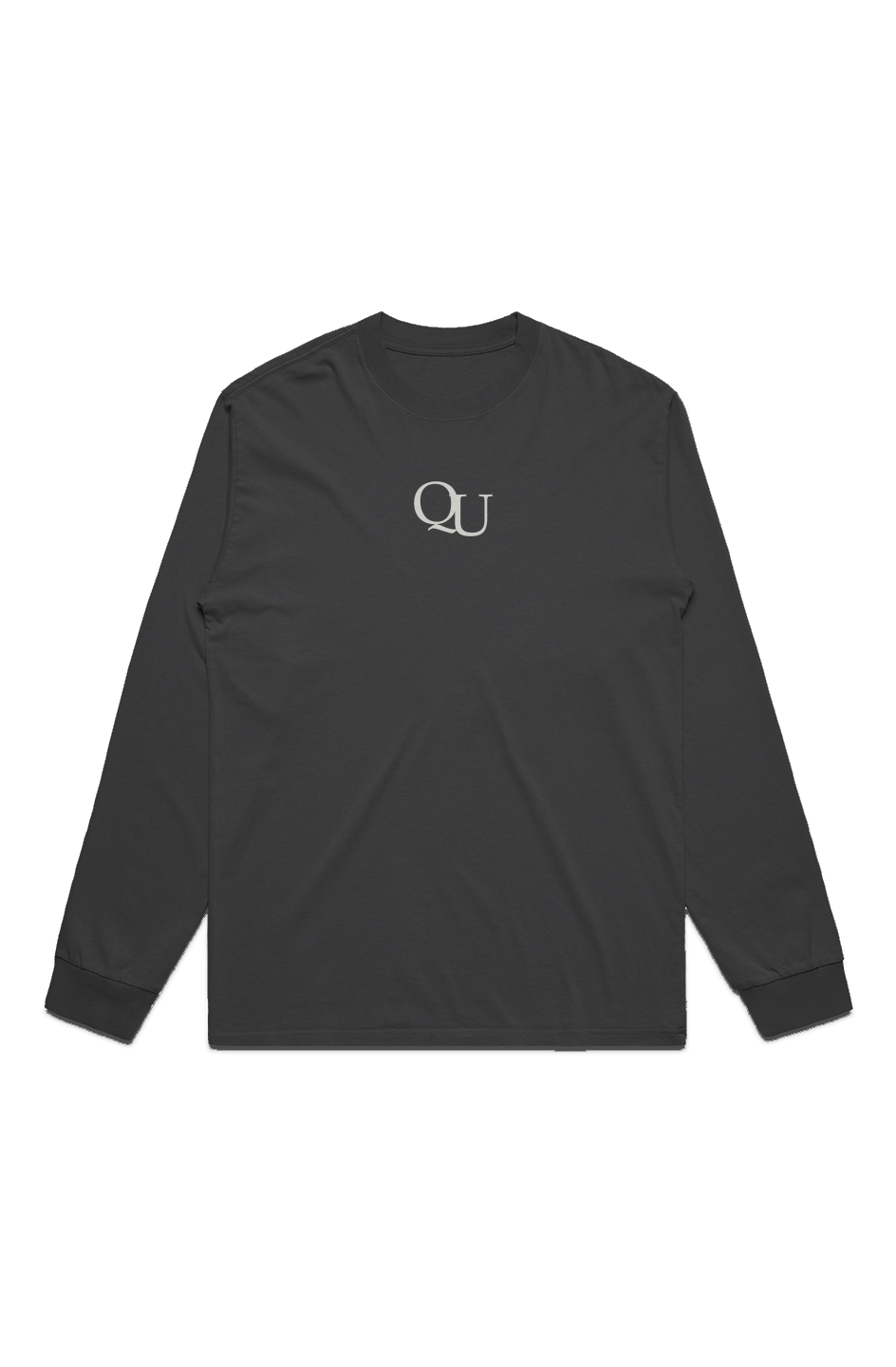
Best for: winter wear, layering, and anyone who wants the heaviest cloth in the range. Skip if: you need a warm-weather tee.
Side-by-Side Comparison: Fit, Fabric and Price
Here's the full range in one view. All three share the same design language, so the decision comes down to weight, sleeve length and finish.
| Product | Fabric Weight | Cotton | Fit | Finish | Price |
|---|---|---|---|---|---|
| Unity Classic Oversized Tee | 6.5 oz (~220 GSM) | 100% combed cotton | Oversized boxy, dropped shoulder | Solid | $50 |
| Classic Oversized Tee | 6.5 oz (~220 GSM) | 100% combed cotton | Oversized boxy, dropped shoulder | Solid | $55 |
| Unity Heavy Faded Long Sleeve | 7.1 oz (~240 GSM) | Combed cotton, garment dyed | Boxy, dropped shoulders, cuffed sleeves | Garment-dyed fade | $62 |
Price
The value question is fair: at $50 to $62, these sit above a midweight retail tee. You're paying for cloth density, combed cotton, double-needle construction and a cut designed to hold its shape.
Fit and Sizing Across Body Types
The difference between cuts matters more in heavy cloth than in midweight cotton. A 220 GSM tee with a boxy cut will stand away from the torso; the same cut in 160 GSM would drape and cling. Sizing a heavyweight tee is really two decisions: choosing the silhouette, then choosing the size that delivers it on your frame.
Start With Flat Measurements, Not Letter Sizes
Letter sizes vary between brands by several centimetres. The reliable method is to take a tee you already own and like, lay it flat on a table, and measure four points:
- Pit to pit (chest width, seam to seam across the front)
- Body length (from the highest point of the shoulder to the hem)
- Shoulder width (seam to seam across the top)
Write those numbers down and compare them to the size chart. If your chest width sits between two sizes, the general rule in an oversized or dropped-shoulder cut is to take the smaller size, because the drop already adds room through the chest and armhole. Sizing up to gain shoulder width usually adds body length you did not want.
How the Three Cuts Behave on Different Frames
A relaxed fit sits close to the body through the chest with a straight hem and a standard shoulder seam.
A boxy fit is cut wider through the chest and body with a shorter body length relative to its width.
An oversized fit combines a boxy body with dropped shoulders, where the shoulder seam sits partway down the upper arm.
Shrinkage: What to Expect After Washing
Preshrunk cotton still moves a little. Preshrunk fabric reduces shrinkage but does not eliminate it, so expect some movement, particularly if you wash hot or dry in a machine. If you're at the top of a size range, wash cold and dry flat.
Body-Type Notes
- Broad shoulders and training physiques: a boxy or oversized cut with a dropped shoulder gives room through the chest and arms without the shirt riding up. Check the chest width against your own measurement and ignore the shoulder width.
- Narrower frames: a relaxed fit or a smaller size in a boxy cut avoids the shirt swamping the torso. A boxy tee that is too large will hang off the shoulders and look longer than it is.
- Longer torsos: body length is the measurement to prioritise. Compare the listed body length to a tee you own that covers your belt line, and add 2 cm if you plan to tumble dry.
A common mistake is ordering the same letter size across different cuts. A medium in a relaxed fit and a medium in an oversized fit are not the same shirt.
If you are still unsure, our full walkthrough on how to size oversized and boxy fits using flat measurements covers the between-sizes rule and what each measurement affects.
How to Wash Heavyweight Cotton Shirts So They Keep Their Shape
Heavyweight cotton is durable, but not indestructible. Hot water and a hot dryer can cause shrinkage and twisting, especially in garment-dyed pieces.
Our practical routine:
- Wash cold, 30°C or lower, on a gentle cycle
- Turn the tee inside out to protect the surface
- Skip fabric softener, which coats fibres and reduces breathability
For a deeper walkthrough, read our guide on how to wash heavy cotton apparel.
Watch out: washing a garment-dyed long sleeve with lighter colours in the first few cycles can transfer dye. Wash it alone or with dark colours until the fade settles.
Matching Fabric Weight to the Climate and the Season
Heavyweight cotton behaves differently depending on the temperature and humidity it is worn in, and one fabric weight will not suit every part of the country or every month. The practical approach is to match GSM to the conditions you will actually wear the tee in, and to understand why heavier cotton feels warmer before you buy.
Why Heavier Cotton Feels Warmer
Fabric weight affects warmth in two ways. A denser cloth traps more still air between the fibres, and still air is an insulator. A heavier tee also stands away from the skin rather than clinging, creating a layer of air between fabric and body.
That doesn't make heavyweight cotton unsuitable for an Australian summer. It means the weight and the fit need to work together. A boxy 220 GSM tee worn loose in dry heat feels very different from the same tee worn fitted in humid heat.
A Practical Temperature Guide
- Above roughly 30°C, especially with humidity: a 150-190 GSM midweight tee will feel cooler. A 220 GSM tee is wearable if it is cut loose and worn in shade or air-conditioning, but it will feel warm on a long walk or commute.
- 22-30°C: a 220 GSM tee is comfortable for most people, particularly in dry heat. The fabric is 100% cotton with no synthetic blend, and the loose cut keeps it off the skin.
- 15-22°C: a 220 GSM tee works on its own or under an open overshirt. This is the range where heavyweight cotton is at its most useful.
Regional and Seasonal Patterns
In the tropical north, the wet season brings high humidity and temperatures above 30°C for months. Heavyweight tees are best kept for air-conditioned days, evenings, or the drier shoulder months.
In the southern states, the pattern reverses. Summers are dry and can spike above 35°C, but mornings and evenings are cooler and the shoulder seasons are long.
Layering and Training
For indoor training, fit matters more than fabric weight. A boxy heavyweight tee is cut to sit off the body.
The 240 GSM long sleeve is suited to layering in cooler months.
Watch out: a heavyweight tee worn tight in humid heat will feel warmer than the same tee worn loose, because the fabric sits against the skin and reduces airflow.
Shop the Quiet Unity Heavyweight Range
Choosing among the best heavyweight cotton t shirts in Australia comes down to three checks: verified fabric weight, honest cotton content, and construction that matches the cloth.
That's the standard we hold ourselves to. Our pieces are designed in Melbourne and cut from heavy combed cotton. Minimalist design and a quiet emblem.
Get started with Quiet Unity and build a wardrobe of heavy cotton essentials.
Heavy cotton rewards a little care and a good fit check before you buy.
Frequently Asked Questions
What GSM is considered a heavyweight t-shirt?
Most retailers treat 200 GSM and above as heavyweight, with 225 to 280 GSM sitting in the sweet spot for a tee that holds its shape without feeling stiff. Below about 180 GSM you are in lightweight territory, which drapes more but shows wear faster. Quiet Unity's 6.5 oz cotton works out to roughly 220 GSM, and the 7.1 oz long sleeve sits higher again, so both fall comfortably inside the heavyweight band.
Are heavyweight cotton t-shirts better for gym training?
They can be, provided the fit is right. A heavier cotton keeps the fabric away from the body rather than clinging. The trade-off is warmth, so a 220 to 250 GSM tee suits cooler training spaces and early sessions better than a packed summer class. Look for preshrunk fabric and double needle stitching if you plan to train in it several times a week.
How do you stop heavyweight cotton shirts shrinking in the wash?
Wash cold, turn the tee inside out and skip the dryer. Heat is what drives shrinkage and breaks down cotton fibres, so a cold machine cycle on a gentle setting followed by line drying in shade keeps the fit close to original. Quiet Unity's tees use preshrunk combed cotton, and cold washing and air drying are the habits that help care for them.
What makes a heavyweight cotton tee worth a higher price?
Fabric weight, cotton grade and construction detail. Combed cotton removes short fibres, which gives a smoother surface. Double needle stitching, shoulder to shoulder tape and wide neck ribbing all add labour and cost, and they are the parts that fail first on cheap tees. A $50 to $62 tee that survives several years of regular washing usually costs less per wear than a $20 tee replaced twice a year.
