Guides · · 10 min read
Best Nimble Activewear Alternatives: 2026 Guide
Best Nimble Activewear alternatives for 2026. Compare fabric, fit, price-per-wear and ethical production across leggings, tanks and shorts.

Table of Contents
- Why People Look for Nimble Activewear Alternatives
- Nimble Activewear Review: What Works and What Doesn't
- Activewear Leggings Comparison: Fabric, Fit and Price-Per-Wear
- Affordable Activewear Brands: What You Get at Each Price Point
- Sustainable Activewear Brands: Ethical Production Beyond Marketing
- Best Nimble Activewear Alternatives for Training and Everyday Wear
- How to Choose the Right Alternative for Your Training
- Frequently Asked Questions
Last Updated: October 9, 2026
Why People Look for Nimble Activewear Alternatives
Shoppers searching for Nimble Activewear alternatives usually aren't unhappy with the brand itself. They're unhappy with what they're paying for it. At around $100 for a single pair of leggings, the maths gets uncomfortable fast when you train four or five times a week and need two or three pairs in rotation.
The bigger issue is longevity. Thin, high-stretch blends feel great on day one but tend to pill, lose shape, or go sheer at the seams within months of hard training. When a garment costs that much and lasts one season, the value equation breaks.
This guide from Quiet Unity compares the real trade-offs: fabric weight, price-per-wear, and whether a piece can move from a squat rack to a client meeting without looking out of place. Below, we break down exactly how to judge an alternative before you spend.

Nimble Activewear Review: What Works and What Doesn't
Nimble does several things well. Its leggings are squat-proof, comfortable, and the fit suits many body types. The brand is also genuinely committed to recycled materials and ethical production, which matters to a lot of buyers.
Where it falls short is durability relative to price. A common complaint in community forums is that the fabric thins and pills with regular washing. The lightweight blends prioritise stretch and softness over abrasion resistance, so heavy training wears them faster than casual wear would.
The other friction point is price. At roughly $100 a pair, replacing leggings every season adds up. If you're training hard four or more times a week, that's a meaningful annual cost.
Activewear Leggings Comparison: Fabric, Fit and Price-Per-Wear
Price-per-wear is the metric most reviews ignore. It's simple: divide the cost of the garment by the number of times you realistically wear it before it degrades.
A $100 legging worn 40 times before it thins costs $2.50 per wear. An $80 legging worn 120 times costs $0.67 per wear. The cheaper garment wins by a wide margin once durability enters the picture.
How Fabric Composition Changes Performance
Fabric weight is the clearest predictor of how a legging will hold up. Midweight knits in the 220-230 gsm range resist pilling and hold their shape far better than thin, lightweight blends.
Composition matters too. Higher elastane content improves resilience and recovery, which keeps the garment squat-proof over time. Nylon and polyamide blends with four-way stretch and moisture-wicking properties handle sweat and repeated washing better than basic polyester.
| Fabric Weight | Typical Composition | Best For | Durability |
|---|---|---|---|
| Lightweight (under 200 gsm) | Polyester/elastane | Yoga, low-impact | Low, pills quickly |
| Midweight (220-230 gsm) | Nylon/elastane, polyamide | High-impact training | High, holds shape |
| Heavy cotton | Cotton blend | Everyday, athleisure | High, minimal stretch |
Affordable Activewear Brands: What You Get at Each Price Point
Price tiers in activewear are not arbitrary. They map fairly predictably to fabric weight, elastane percentage, seam construction, and how many washes a garment survives before it starts to pill or go sheer. Knowing which tier you're actually buying into is the fastest way to avoid overpaying.
Budget tier (roughly $25 to $45). These pieces typically use lightweight polyester/elastane knits under 200 gsm, flatlock seams, and a single-layer waistband. They're fine for yoga, pilates, walking, and low-sweat work. Where they fail is under load: the elastane content is often low, so the fabric relaxes after a few wears and the waistband rolls during squats.
Mid-tier (roughly $55 to $85). This is where value concentrates, and it's the band most shoppers should default to. Mid-tier leggings commonly use 220-230 gsm nylon/elastane or polyamide blends with four-way stretch, a wide high-rise waistband, and gusseted construction.
Premium tier (roughly $90 to $130). At this level you're paying for design language, brand positioning, retail footprint, and sometimes genuinely better finishing (bonded seams, laser-cut hems, more rigorous fit testing). The fabric itself is often the same midweight knit used a tier below.
Luxury and designer tier ($150+). Fashion-house activewear. The performance specs are rarely better than mid-tier; the value is aesthetic and status. Buy it if you love it, not because it will outlast a $70 pair.
| Tier | Typical Price | Fabric | Realistic Wear Life | Best For |
|---|---|---|---|---|
| Budget | $25-$45 | Lightweight polyester/elastane, under 200 gsm | 30-50 wears | Yoga, pilates, walking |
| Mid-tier | $55-$85 | 220-230 gsm nylon/elastane, four-way stretch | 100+ wears | High-impact training, lifting, running |
| Premium | $90-$130 | Midweight knit, bonded or flatlock seams | 100-150 wears | Training plus everyday wear |
| Luxury | $150+ | Variable, often fashion-led | Not performance-driven | Aesthetic and status |
Sustainable Activewear Brands: Ethical Production Beyond Marketing
Most 'sustainable activewear' coverage stops at the word recycled. That's a problem, because recycled polyester and organic cotton say nothing about labour conditions, chemical inputs, or whether the garment was made to last.
Here's what to actually check, in order of how much it tells you.
1. Third-party certifications on the garment, not the website. A certification is only meaningful if it's specific and auditable. The ones worth recognising:
- GOTS (Global Organic Textile Standard), covers organic fibre content plus processing and social criteria. Applies to cotton and other natural fibres, not synthetics.
- GRS (Global Recycled Standard), verifies recycled content and adds social and environmental requirements along the supply chain. This is the one that matters for recycled polyester and recycled nylon.
- Fair Trade Certified, focuses on worker conditions and premiums paid back to workers. Relevant for cut-and-sew operations.
- OEKO-TEX Standard 100, tests finished fabric for harmful substances. Useful, but it says nothing about labour or fibre origin.
- Bluesign, chemical-input management for textiles, common in performance fabrics.
If a brand claims sustainability but can't name a certification, treat the claim as aspirational rather than verified.
2. Named factories and published audits. A brand that knows its supply chain can name its cut-and-sew partner and its fabric mill. A brand that can't is usually several tiers removed from its own production.
Quiet Unity Active Leggings Ink Blue →
3. Made-to-order and small-batch production. Deadstock is one of the largest sources of waste in fashion. Brands that produce to order or in small runs avoid overproduction entirely.
4. Longevity as the honest sustainability metric. A garment worn 150 times has a far lower environmental cost per wear than one worn 30 times, regardless of what it's made from.
5. What to be sceptical of. Vague phrases like 'eco-friendly materials', 'conscious collection', and 'planet-positive' carry no defined meaning. Carbon-offset claims without a named scheme are difficult to verify.
For context on what credible environmental claims look like under local consumer law, the ACCC guidance on environmental and sustainability claims sets out what businesses can and can't say, and what recourse shoppers have when a claim doesn't hold up.
Quiet Unity takes a quieter approach. We design in Melbourne and focus on better cloth and considered details rather than trend-driven drops, so pieces stay in rotation longer.
Best Nimble Activewear Alternatives for Training and Everyday Wear
The best Nimble Activewear alternatives prioritise fabric weight, fit, and versatility over trend cycles. If a piece holds its shape through hard training and still looks sharp at a desk, it earns its place in your rotation.
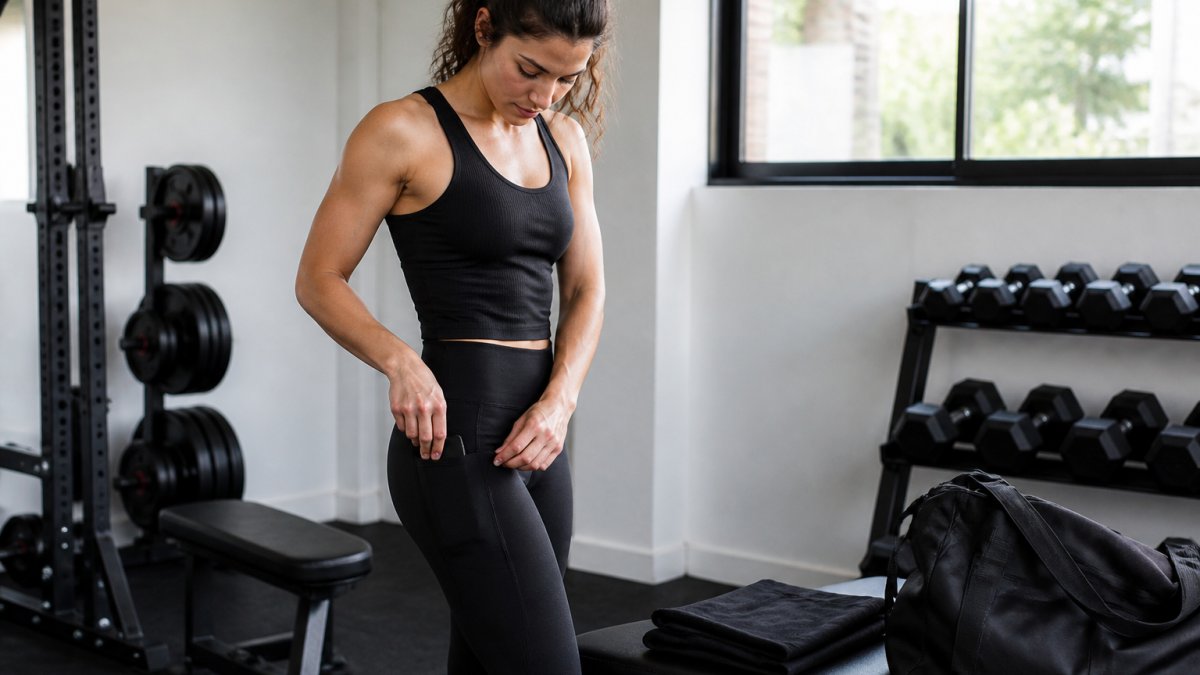
Our top pick is the Quiet Unity Active Leggings at $80. The midweight matte cloth is supportive through the body without feeling restrictive, and the high waist with two side pockets handles keys and a phone during a session. True to size, with a quiet wordmark on the left thigh. The one drawback: the matte finish shows lint more than a slick fabric would.
Leggings and Shorts That Hold Up Under Load
For warmer sessions, the Unity Active Bike Shorts at $67 use a midweight 6.5 oz fabric with four-way stretch and moisture-wicking properties. The high waist stays put, and the anti-chafe design matters once you're past the 30-minute mark. Where they fall short: the mid-thigh cut isn't for everyone.
For a full-length option with a bit more structure, the Unity Active Leggings at $91 use a heavy-duty knit with contour seam detailing and quick-drying properties.

Tops and One-Pieces for Gym-to-Office Wear
Versatility is where most activewear fails. The Quiet Unity Contour Tank at $51 pairs a clean H-line silhouette with contrast topstitching, so it reads as a considered basic rather than gym kit.
For a single-piece option, the Quiet Unity Quarter Zip Romper at $64 has a functional quarter-zip for ventilation and a knee-length cut that works for yoga, training, or errands.
How to Choose the Right Alternative for Your Training
Match the fabric to the intensity. High-impact training needs midweight, high-elastane fabric with four-way stretch; low-impact work can use lighter blends comfortably.
Then run the price-per-wear test. Estimate how often you'll wear it and divide the cost. If a piece costs more but lasts three times as long, it's the better buy.
Finally, check the return policy and sizing before you commit. Broad shoulders or a longer torso often mean sizing up, so confirm the fit works before you cut the tags.
The real challenge with activewear is finding pieces that survive hard training and still look right outside the gym. Quiet Unity designs in Melbourne and builds gymwear from midweight cloth with a quiet emblem, so garments stay out of the way during a session and transition straight to daily wear. Explore the Quiet Unity Active Leggings and the rest of the range, and invest in pieces that earn their place in your rotation.

Frequently Asked Questions
Is Nimble Activewear worth it?
It depends on what you need from your kit. Nimble's range covers gym, run and everyday wear, and the brand has a loyal following for its prints and soft fabrics. The trade-off is price: full-price leggings sit well above budget tiers, and some shoppers report that lighter fabrics lose shape after repeated washing. If you train hard four or more times a week, weigh the cost against how many wears you actually get before the fabric stretches or pills.
What is the best budget activewear brand?
Budget activewear usually means lower elastane content and thinner knit, which shows up as reduced support and faster pilling. A better measure than sticker price is cost per wear. A $67 pair of Unity Active Bike Shorts worn three times a week for two years works out to roughly 45 cents per wear. A $30 pair that loses shape in six months costs more per wear. Check fabric weight in gsm and elastane percentage before you buy.
What should I look for when choosing activewear?
Start with fabric composition. Look for a midweight knit around 220 gsm with a matte finish. Check for four-way stretch if you lift or do yoga, flatlock or contour seams to reduce chafing, and a high waist that stays put during squats. Pockets matter if you carry a phone or keys. Finally, confirm care instructions: cold machine wash and hang dry keeps elastane intact far longer than tumble drying.
Which activewear brands offer good value for money?
Value comes down to durability, fit and how often you wear each piece. Quiet Unity sits at $51 to $91 per item, with the Active Leggings at $80 and the Contour Tank at $51. The midweight matte cloth and high-waist construction are built for repeated training and everyday wear, which lowers the cost per wear over time. Compare fabric weight, seam construction and care requirements across brands rather than judging on the initial price alone.
Are there activewear brands with more relaxed or loose-fitting styles?
Most performance activewear is cut tight, because stretch fabric needs contact with the body to support muscle and manage moisture. If you want a looser feel, size up in a bodycon piece or look for straight-hem styles. The Quiet Unity Quarter Zip Romper uses a bodycon fit with a functional quarter-zip for ventilation, and the Court Skort has a regular fit that moves between the court and daily errands without clinging.