Guides · · 10 min read
Buy Premium Heavy Cotton T-Shirts: 2026 Picks
Compare premium heavy cotton t-shirts on weight, fit and price. See GSM explained, sizing tips and washing advice before you buy.

Table of Contents
- Why Premium Heavy Cotton T-Shirts Are Worth the Extra Cost
- Quick Comparison: Three Heavyweight Cotton Tees
- What GSM Actually Means When You Buy Heavy Cotton T-Shirts
- 1. Unity Classic Oversized Tee: Best Value Heavyweight Tee
- 2. Classic Oversized Tee: Best for Printing and Everyday Wear
- 3. Unity Heavy Faded Long Sleeve: Best for Cooler Training Days
- Heavyweight Tee Fit Guide: Getting the Right Size First Time
- How to Wash Heavyweight Cotton So It Lasts
- Frequently Asked Questions
Last Updated: October 12, 2026
Why Premium Heavy Cotton T-Shirts Are Worth the Extra Cost
If you train hard several times a week, a thin cotton tee will tell on you within months.
At Quiet Unity, we build our range around exactly that idea. Heavy cotton is not a marketing label. It is a measurable weight of fabric, and it changes how a garment feels, drapes, and survives the wash cycle.
Below, we break down what GSM means, compare three heavyweight tees side by side, and explain how to size and wash them so they last.
Quick Comparison: Three Heavyweight Cotton Tees
All three of our heavyweight tees use 100% combed cotton with a boxy, oversized cut. The differences come down to weight, sleeve length, and finish.
| Tee | Fabric Weight | Sleeve | Fit | Price |
|---|---|---|---|---|
| Unity Classic Oversized Tee | 6.5 oz heavyweight | Short | Oversized boxy, dropped shoulder | $50.00 |
| Classic Oversized Tee | 6.5 oz heavyweight | Short | Oversized boxy, dropped shoulder | $55.00 |
| Unity Heavy Faded Long Sleeve | 7.1 oz heavyweight | Long, cuffed | Oversized boxy, dropped shoulder | $62.00 |
For most people, the Unity Classic Oversized Tee is the best starting point. It is the lightest on the wallet and the most versatile across training and daily wear.

What GSM Actually Means When You Buy Heavy Cotton T-Shirts
GSM stands for grams per square metre. It is the mass of one square metre of fabric, and it is the closest thing the apparel trade has to an objective measure of how substantial a tee will feel.
A quick conversion helps if you are reading labels from different markets. One ounce per square yard is roughly 33.9 GSM, so a 6.5 oz fabric sits near 220 GSM and a 7.1 oz fabric sits near 240 GSM. When a listing quotes 180, 185 or 260 GSM, those numbers are directly comparable once you convert them.
Where the bands fall
- Lightweight (under 150 GSM): sheer, cool, prone to visible outlines under bright light. Common in fast-fashion multipacks.
- Midweight (150-180 GSM): the standard retail tee. Drapes softly, holds a print reasonably well, but loses neckline shape faster under repeated washing.
- Heavyweight (180-220 GSM): noticeably denser in the hand. Holds a boxy silhouette, resists transparency, and takes screen print and DTG ink without the fabric puckering.
- Ultra-heavy (220 GSM and above): structured, warm, and slower to dry. Excellent for cooler conditions and for garments where the shape is the point.
What the number actually changes
Drape. Heavier cloth has more body, so it falls in straighter lines and holds a boxy cut instead of collapsing at the shoulder seam.
Warmth. More mass per square metre means more trapped air.
Durability. Thicker yarn and denser knitting resist abrasion at the shoulders, underarms and hem.
Transparency. Below roughly 160 GSM, lighter colours can show through under gym lighting or in photographs. Above 200 GSM, opacity is rarely a problem regardless of colour.
The trade-offs nobody mentions
Heavier is not automatically better for every use. Ultra-heavy cotton takes longer to dry, feels warmer in summer, and can be stiffer for the first few washes before it softens. If you want a tee for hot-weather running, a 220 GSM garment is the wrong tool. If you want a tee that still looks structured after a year of training, it is the right one.
1. Unity Classic Oversized Tee: Best Value Heavyweight Tee
Our pick for best value is the Unity Classic Oversized Tee at $50.00.

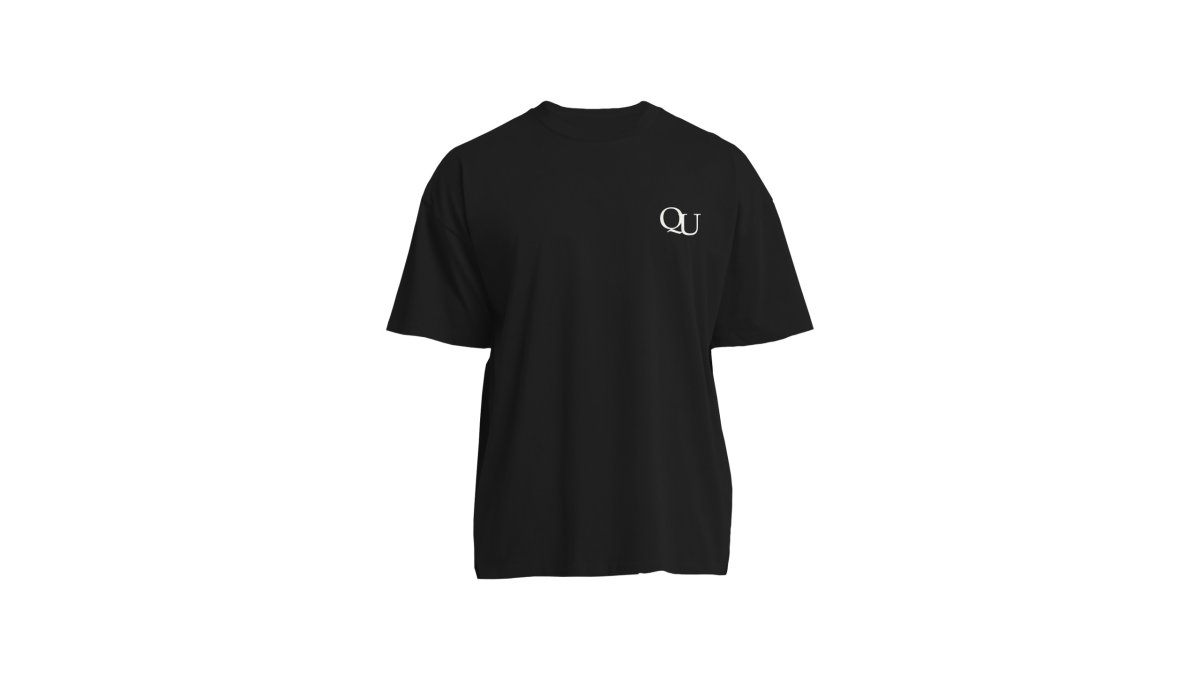
The fabric is 6.5 oz combed cotton with a preshrunk finish, so you get low shrinkage performance wash after wash.
What most people miss is the neckline. The neck ribbing is built to hold its shape, which is the single most common failure point on a gym tee.
Where it falls short: if you want a long sleeve for cooler sessions, this is not it. For that, see the faded long sleeve below.
2. Classic Oversized Tee: Best for Printing and Everyday Wear
The Classic Oversized Tee at $55.00 is built with a smooth print surface and DTG print compatibility, so it suits anyone ordering blanks for graphics or uniform runs.
The specs match the Unity Classic: 6.5 oz heavyweight combed cotton, oversized boxy fit, dropped shoulder, preshrunk, and double needle stitching throughout. The difference is presentation. This is a private-label-ready blank.
The honest limitation: if you just want one tee for yourself, the Unity Classic does the same job for less.
3. Unity Heavy Faded Long Sleeve: Best for Cooler Training Days
At 7.1 oz, the Unity Heavy Faded Long Sleeve is the heaviest piece in our range, priced at $62.00.

Each piece carries a garment-dyed finish, so no two are identical. That vintage-inspired look is deliberate, not a defect.
Shoulder-to-shoulder tape is worth calling out. It stops the shoulder seams from stretching under load, which matters if you are pressing or pulling in it.
Where it falls short: the garment-dyed finish means slight colour variation between pieces. If you need an exact match across a set, order together.
Heavyweight Tee Fit Guide: Getting the Right Size First Time
The most common sizing mistake with heavy cotton is sizing up out of habit. Heavyweight fabric has more structure, so it drapes differently than midweight cotton. The oversized pattern already does the work, and adding a size on top of that produces a tee that reads as a tent rather than a silhouette.
Measure a tee you already like
Before you order, lay a tee you already wear flat and measure three things:
- Chest: pit to pit, straight across, doubled for the full circumference.
- Body length: from the highest point of the shoulder seam to the hem.
- Shoulder: seam to seam across the top of the back.
Write those numbers down. They are the only reliable comparison against any size chart, because "medium" means something different in every brand.
How our three tees compare
All three use the same oversized boxy block with a dropped shoulder, so the fit difference between them is minimal. The long sleeve runs slightly longer through the body to account for the cuffed sleeve, and the garment-dyed finish can relax the fabric marginally more than the preshrunk short sleeves.
If you normally take a medium in a standard retail tee, the medium in our range will feel noticeably roomier through the chest and shoulder. That is the cut working as designed, not a sizing error.
Sizing decisions by body type
- Broad shoulders or a lifter's build: stay true to size. The dropped shoulder seam is positioned to sit below the natural shoulder line, which gives the chest and arms room without pulling across the back.
- Narrow shoulders or a slim frame: stay true to size for the intended oversized look, or size down one if you want a closer fit. Sizing down keeps the dropped shoulder but removes excess body width.
- Between sizes: take the smaller option for a cleaner line, the larger for a looser drape. Heavyweight cotton holds whichever shape you choose.
- Layering over a base layer: size up one for the long sleeve so the cuff sits at the wrist rather than mid-forearm.
- Printing blanks: check the full size range before ordering in bulk, and confirm that the size you plan to print most is in stock.
A note on shrinkage
Our short sleeve tees are preshrunk, so expect minimal movement after the first wash if you follow the care guidance below. The garment-dyed long sleeve may relax slightly more, and any residual shrinkage will be lengthwise rather than across the chest. If you are between sizes on the long sleeve and plan to tumble dry, take the larger option.
If you are unsure, order one in your usual size and wear it through a full training week before committing to more. One tee is a cheap test; a bulk order is not.
How to Wash Heavyweight Cotton So It Lasts
Heavyweight cotton lasts years if you wash it properly, and months if you do not. The fabric is durable; the seams and neckline are what fail when care is careless.
- Cold wash, always. Hot water stresses cotton fibres and accelerates shrinkage.
- Turn it inside out. This protects the outer surface and any print.
- Skip the dryer. Air dry flat or on a line. Heat is the main cause of shrinkage.
- Use a low spin cycle. High spin stretches necklines and shoulder seams.
- Wash with similar colours. Garment-dyed pieces can release slight colour early on.
Our tees are preshrunk, which reduces shrinkage, but it does not eliminate it. Cold washing and air drying keep the fit where it started.
Frequently Asked Questions
What should you look for when buying a heavyweight cotton T-shirt?
Check the fabric weight first. Anything from 180 GSM upward counts as midweight, and 260 GSM or more is genuinely heavyweight. Look for 100% combed cotton, which removes short fibres and gives a smoother, stronger surface. Check the construction too: taped seams, double needle stitching and preshrunk fabric all point to a tee that holds its shape. Fit matters as much as specs, so compare the listed measurements against a tee you already own.
Can you wear a heavy cotton t-shirt in hot weather?
Yes, if you pick the right weight and fit. A heavy cotton t-shirt in hot weather works when the fabric is breathable and the cut is loose enough to let air move. Oversized and boxy fits help because they keep cloth off your skin. A 6.5 oz tee is a reasonable middle ground for warm conditions. If you are training hard in direct sun, a lighter midweight option will feel cooler, but a well-made heavyweight tee still handles everyday wear comfortably.
Do heavyweight cotton T-shirts shrink?
They shrink less when the fabric is preshrunk before it is cut and sewn. Quiet Unity tees use preshrunk cotton with low shrinkage performance, so the fit you order is close to the fit you keep. Washing in cold water and drying on low heat limits further movement. Expect a small amount of relaxation in the first few wears rather than a dramatic change. Avoid hot washes and high dryer settings, which cause most of the shrinkage people blame on the fabric.
How do you wash a heavy cotton T-shirt to make it last?
Turn it inside out, wash cold on a gentle cycle with similar colours, and skip fabric softener, which coats the fibres. Dry on low heat or hang it in shade. Heavyweight cotton holds up well over repeated washes when you avoid heat and agitation. If there is a print, keep the iron off it. Following a consistent routine like this is the simplest way to get years of wear rather than months.
What is the difference between heavyweight and regular cotton T-shirts?
Weight is the main difference. A regular tee usually sits around 150 to 180 GSM, which feels light and drapes closely to the body. Heavyweight cotton starts around 260 GSM and gives a denser, sturdier cloth with more structure and less transparency. That extra weight means the tee holds its shape, resists stretching at the neck and shoulders, and looks better for longer. It also costs more to make, which is why premium heavy cotton t-shirts sit above standard retail pricing.
Buying premium heavy cotton t-shirts is really a decision about how long you want a garment to last. Thin cotton saves money once and costs you twice. Quiet Unity builds heavyweight tees from 100% combed cotton with preshrunk finishes, double needle stitching, and reinforced necklines, designed to move from a training session to the rest of your day without looking worn. Shop Men to find your size and start with one tee.