Guides · · 12 min read
Premium Gym Wear Worth the Price: A 2026 Review
Is premium gym wear worth the price? We break down cost per wear, fabric quality and durability to help you decide what's worth buying in 2026.

Last Updated: October 23, 2026
Quick Summary
Premium gym wear is worth the price when its cost per wear falls below the cheap alternative it replaces, making value a maths question rather than a taste one. We score each piece on fabric weight and recovery, seam construction, fit under load and versatility outside the gym, and a garment only clears our value bar when it performs across all four.
- Cost per wear equals purchase price plus care costs divided by wears per week times weeks of useful life.
- $80 leggings worn three times weekly for two years work out to about 26 cents per wear.
- A $30 pair lasting four months at the same frequency costs about 58 cents per wear.
- Check for flatlock or bonded seams, reinforced stress points and fabric that springs back when stretched.
- Machine wash cold and hang dry, because heat breaks down elastane and adds months to garment life.
Table of Contents
- Premium Gym Wear Worth the Price: The Honest Verdict
- How We Assessed Value
- Expensive Gym Wear vs Affordable Gym Wear: Where the Money Goes
- Gym Wear Cost Per Wear: The Number That Actually Matters
- Fabric Quality, Fit and Support: What You're Paying For
- Durable Gym Wear: Construction Details That Extend Lifespan
- Best Gym Clothes for Men: Workout-Specific Picks
- Versatility, Sizing and Care: The Hidden Value Drivers
- Verdict: When Premium Gym Wear Is Worth It
- Frequently Asked Questions
Premium Gym Wear Worth the Price: The Honest Verdict
Premium gym wear is worth the price when its cost per wear falls below the cheap alternative it replaces, a maths question, not a taste one. This review from Quiet Unity sets out how we assess value, where the money goes, and which pieces earn their price tag across a realistic training week.

Most buyers compare sticker price and stop there. What matters is what each wear costs over the garment's life, a number that moves fast once seams, fabric weight and fit enter the equation.
How We Assessed Value
We score every piece on four criteria: fabric weight and recovery, seam construction, fit under load, and versatility outside the gym. A garment only clears our value bar when it performs across all four.
The framework is deliberately narrow. We do not credit brand heritage, packaging or marketing claims. We ask three questions: does the fabric hold its shape after repeated washing, do the seams survive movement under tension, and can you wear it outside a gym without looking out of place.
Expensive Gym Wear vs Affordable Gym Wear: Where the Money Goes
The gap between expensive gym wear and affordable gym wear sits in four places: fabric weight, seam type, pattern cutting and quality control. Cheap activewear uses lighter cloth, overlocked seams and a single block pattern. Premium pieces spend the difference on denser fabric, flatlock or bonded seams, and graded patterns that hold their shape through movement.
Here is how the spend breaks down in practice:
| Component | Affordable Gym Wear | Premium Gym Wear |
|---|---|---|
| Fabric weight | Light, prone to thinning | Midweight, holds shape |
| Seam type | Overlocked, rubs under load | Flatlock or bonded, sits flat |
| Pattern cutting | Single block, limited grading | Graded panels, moves with body |
| Quality control | Batch sampling | Per-run inspection |
| Expected lifespan | One season of regular training | Multiple seasons |
That last row is where the maths turns. A budget piece that pills at the seams after a few months costs more per wear than a heavier garment that outlasts it.
Gym Wear Cost Per Wear: The Number That Actually Matters
Gym wear cost per wear is the purchase price divided by the number of times you realistically wear the garment before it fails.
The formula is simple: cost per wear = (purchase price + care costs) ÷ (wears per week × weeks of useful life). Run it honestly. Most people overestimate how often they train and underestimate how quickly cheap fabric degrades.
A Transparent Comparison You Can Copy
The table below is a template, not a claim about any specific brand. Fill the middle column with the premium piece you are considering and the right column with the budget alternative you would otherwise buy.
| Input | Premium piece | Budget alternative |
|---|---|---|
| Purchase price (AUD) | $____ | $____ |
| Wears per week | ____ | ____ |
| Expected useful life (months) | ____ | ____ |
| Total wears over life | weeks × wears | weeks × wears |
| Care cost per year (detergent, electricity, replacement of worn items) | $____ | $____ |
| Replacements needed over 24 months | ____ | ____ |
| Cost per wear over 24 months | $____ | $____ |
Two rules make the comparison honest. First, count care costs on both sides: tumble drying shortens the budget garment's life, pushing its cost per wear up. Second, count replacements over the same window.
A Worked Example
Take leggings at $80 worn three times a week for two years: roughly 312 wears, or about 26 cents per wear before care costs. A $30 pair lasting four months at the same frequency works out to about 58 cents per wear, and you buy six over the same period. The cheaper garment costs more than twice as much to own.
The same logic applies across the wardrobe. A $55 tank worn twice a week for eighteen months lands around 35 cents per wear. A $20 version that stretches out after ten weeks lands near 50 cents, and you replace it four times.
Where the Maths Breaks Down
Cost per wear is a tool, not a verdict. It misleads in three situations. If you train once a week, the difference between 26 cents and 58 cents is a few dollars a year, and the budget piece is the rational buy.
Regular trainers typically rotate two or three pieces per activity. Fewer, better garments get worn more often, so each reaches its break-even point faster; a wardrobe of ten cheap pieces worn once a fortnight never gets there.
Fabric Quality, Fit and Support: What You're Paying For
Fabric quality is the single biggest driver of both performance and lifespan.
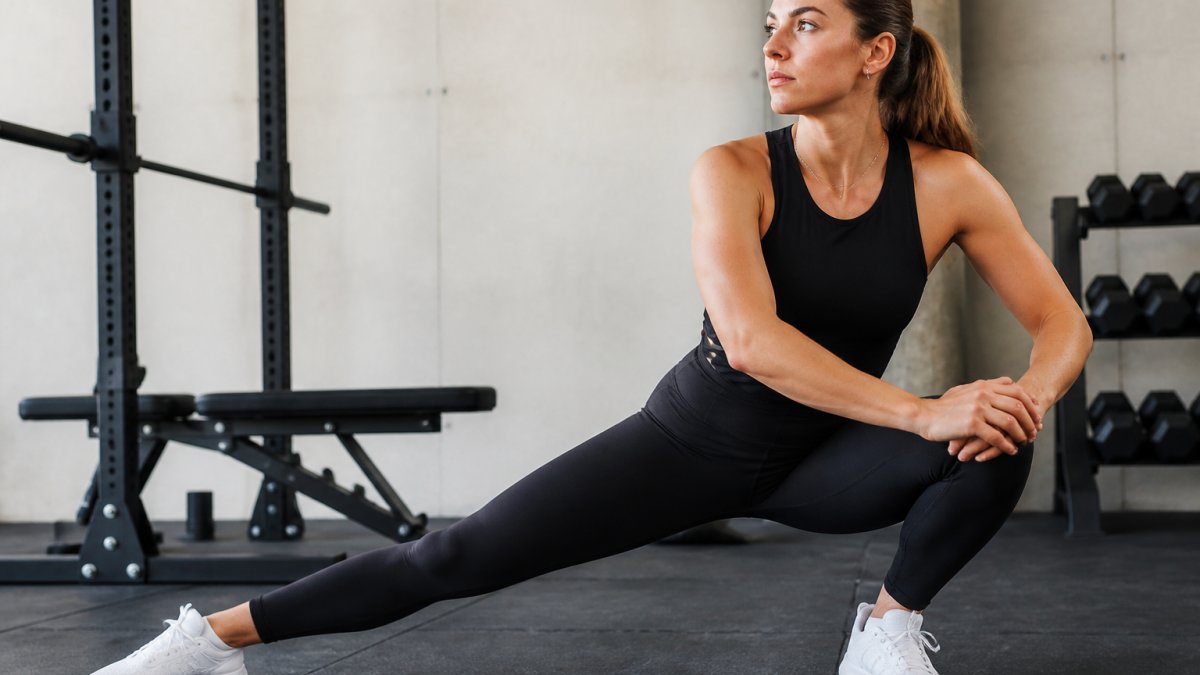
Our Quiet Unity Active Leggings use a midweight stretch with a matte finish, a high waist and two side pockets. The matte surface resists the shine cheaper stretch fabrics develop after a few washes, and it reads as everyday wear rather than gym kit. The high waist supports the body without compression so tight it restricts breathing.
Fit and support come down to pattern cutting as much as fabric. Seamless shoulder construction, as on the Quiet Unity Heavy Tank, removes the chafe point during overhead pressing and long rows. For women, a secure elastic hem and seamless shoulder, as on the Quiet Unity Halter Bra, keep the piece in place through yoga, Pilates and lifting.


The honest limitation: midweight cloth runs warmer than featherweight fabric. If you train in a hot studio or do long outdoor sessions in summer, a lighter piece has a place.
Quiet Unity Active Leggings Ink Blue →
Durable Gym Wear: Construction Details That Extend Lifespan
Durable gym wear is built on three details you can check before you buy: flatlock or bonded seams, reinforced stress points, and fabric that recovers rather than stretches out. Pilling, seam blowouts and thinning at the seat are construction failures, not bad luck.
Run this checklist on any piece before you commit:
- Seams sit flat against the skin, with no raised overlock ridge
- Gusset or panel construction at the crotch, not a single seam
- Fabric springs back when stretched and released
Care requirements decide half the lifespan. Machine wash cold, no bleach, hang to dry, no ironing over prints. Heat kills stretch fabric, so a hot wash and tumble dry undo the construction advantages you paid for.
Best Gym Clothes for Men: Workout-Specific Picks
The best gym clothes for men depend on the session type, not a single all-purpose piece. Strength training rewards heavier cloth and flat seams; running and spin reward breathability and sweat management; yoga and Pilates reward stretch and a fit that stays put. The useful question is where premium construction changes the experience, and where a budget option is good enough.
Where Premium Construction Matters Most
High-impact, high-friction sessions are where cheap construction fails first. Running, spin and repeated overhead movement load seams and stretch recovery, and that is where flatlock seams, graded patterns and midweight fabric earn their price.
Low-impact sessions are the opposite. Yoga, Pilates and mobility work reward stretch and a secure fit, but loads are lower, so a well-cut budget piece can perform adequately if the fabric recovers and the waistband holds.
| Session type | Where premium matters | Where budget can suffice |
|---|---|---|
| Strength training | Flatlock seams, midweight cloth that stays opaque under load | A heavier cotton-blend tee if the fit is right |
| Running and spin | Sweat management, seam placement, reflective detail for low light | A lightweight budget tee for short indoor sessions |
| Yoga and Pilates | Stretch recovery, secure hem, seamless shoulder | A well-cut budget tank if it does not ride up |
| Gym-to-street | Matte finish, quiet branding, cut that reads as everyday wear | A plain budget piece in a neutral colour |
The Picks, and Their Limits
For lifting, the Quiet Unity Heavy Tank is our pick. The loose fit and H-line silhouette leave room through the shoulders, and the seamless shoulder construction removes the chafe point under overhead work.
For lower-body work, the leggings carry the load. Pair them with the Women's Tight Paneling Yoga Tank Top for yoga and Pilates, where the bodycon fit and seamless shoulder give support through flow work without riding up.
| Workout | Best Pick | Why It Works |
|---|---|---|
| Strength training | Heavy Tank | Loose fit, seamless shoulder, no chafe |
| Running and spin | Heavy Tank | Reflective tape, lightweight, moderate breathability |
| Yoga and Pilates | Paneling Yoga Tank Top | Bodycon support, seamless shoulder, stays put |
| Lower-body work | Active Leggings | Midweight, opaque, two side pockets |
| Gym-to-street | Active Leggings | Matte finish, quiet wordmark, everyday cut |
When a Budget Option Is the Smarter Buy
If you train twice a week, rotate two outfits and wash them carefully, a well-fitting budget piece can deliver a lower cost per wear than a premium piece you wear once a fortnight. The premium argument is strongest for the garments you wear most often and the sessions that stress construction hardest. Buy one premium piece in your highest-frequency category first, then expand once you know what you actually reach for.
Versatility, Sizing and Care: The Hidden Value Drivers
Versatility is the value driver most buyers ignore.
Sizing consistency matters just as much. Broad shoulders and a heavier frame often mean sizing up in gym wear, and a brand that grades its patterns properly removes the guesswork.
Care is the third hidden driver. Cold wash, hang dry and no ironing over prints applies across the range. Premium cloth starts from a better base, so the same care returns more lifespan.
Verdict: When Premium Gym Wear Is Worth It
Premium gym wear is worth it when three conditions hold: you train regularly enough for cost per wear to matter, you need the piece to work across more than one context, and you are prepared to care for it properly. If you train twice a month and want a single outfit, a budget piece does the job. If you train most days, the maths favours the better garment.
The pieces that clear our bar solve a specific problem. The leggings handle lower-body work and transition to daily wear. The Heavy Tank handles lifting and low-light runs. The Halter Bra and Paneling Yoga Tank Top handle support through flow work. None are cheap on day one, and all are cheaper by the end of the year.
Frequently Asked Questions
Is expensive gym wear actually worth it?
It depends on how often you train and how long the garment lasts. A $80 pair of premium gym wear leggings worn three times a week for two years works out to roughly $0.26 per wear. A $30 pair that pills or loses shape after six months costs about $0.38 per wear. Premium pieces often win on gym wear cost per wear, but only if the fabric and construction hold up. Check seam quality, fabric weight and care instructions before paying more.
What makes premium gym wear different from budget activewear?
The difference usually comes down to fabric weight, seam construction and fit consistency. Premium gym wear tends to use heavier, denser knits with flatlock or seamless shoulder construction that reduces chafing. Budget options often use thinner fabric that can go sheer under stretch or pill after repeated washing. Premium brands also tend to hold sizing consistent across restocks, which matters if you reorder the same piece.
Does expensive activewear last longer?
It can, but not automatically. Durable gym wear depends on fabric weight, stitch density and how you care for it. A heavier midweight knit with reinforced seams typically resists pilling and shape loss better than a thin budget fabric. Washing cold and hanging to dry extends lifespan for any garment. Paying more only pays off if the construction supports it and you follow the care instructions.
How much should you spend on gym wear?
A practical benchmark is $50 to $90 per core piece if you train four or more times a week. At that frequency, gym wear cost per wear drops quickly. For example, $80 leggings worn three times weekly for two years cost about $0.26 per wear. If you train once a week, a mid-range piece at $40 to $60 may deliver better value. Match spend to frequency, not to brand hype.
What should you look for when buying gym clothes?
Check four things: fabric weight and stretch, seam construction, fit through the shoulders and waist, and care instructions. Heavier fabrics resist sheerness and pilling. Flatlock or seamless shoulders reduce chafing during high-impact workouts. For men, the best gym clothes for men fit loose through the chest without gaping at the armholes. Finally, confirm the return policy and sizing chart before ordering, especially if you are between sizes.
If you are tired of replacing gym wear every few months, the fix is to buy fewer, better pieces and track what they actually cost you per wear. Quiet Unity builds minimalist gymwear from heavier cloth, designed in Melbourne and shipped worldwide, with considered details like flat seams, midweight stretch and a quiet emblem that stays out of the way during training. Shop Men to start with the pieces that earn their price.
