Guides · · 12 min read
Benefits of Heavy Cotton for Training: A 2026 Guide
Heavy cotton gymwear offers durability and breathability for training. Learn how to choose and wash heavy cotton for lasting performance.

Table of Contents
- Why Heavy Cotton Deserves a Place in Your Training Rotation
- What Heavyweight Cotton Means in Measurable Terms
- Cotton vs Polyester for Working Out: Which Fabric Suits Your Session?
- Is Cotton Good for Gym Workouts? Matching Fabric to Training Type
- Durability, Fit, and Construction: What Separates Heavy Cotton From the Rest
- How to Wash Cotton Gym Clothes So They Last
- Choosing Heavy Cotton Pieces That Work as Hard as You Do
- Frequently Asked Questions
Last Updated: October 17, 2026
Why Heavy Cotton Deserves a Place in Your Training Rotation
Walk into most gyms and you will see a sea of shiny synthetic fabric. It stretches, it wicks, it clings, and it smells after one session. The benefits of heavy cotton for training start with a simple fact: a denser cotton knit holds its shape, breathes properly, and works just as hard outside the gym as it does inside it. At Quiet Unity, we build our whole range around that idea.

Heavy cotton is a cotton fabric woven or knitted at a higher weight per square metre than standard cotton, giving it more structure, better drape, and greater resistance to wear, the difference between a shirt you replace every few months and one that lasts years.
Most guides treat cotton as a single material and write it off as "the fabric that soaks up sweat." Weight changes everything: a light cotton tee and a heavyweight cotton tee behave like two different fabrics.
Below, we break down what heavy cotton is in measurable terms, how it compares with polyester, and which training types suit it best.
What Heavyweight Cotton Means in Measurable Terms
Fabric weight is measured in grams per square metre (GSM). This single number tells you more about how a garment will feel and perform than any marketing claim. But weight alone is not the whole story. Two shirts at the same GSM can behave completely differently depending on the knit, the yarn, and the construction.
Here is the standard banding used across the industry:
- Lightweight cotton: roughly 140-170 GSM. Thin, prone to cling, little structure.
- Midweight cotton: roughly 170-220 GSM. Standard t-shirt territory.
- Heavyweight cotton: 220 GSM and up. Dense, structured, holds its shape.
- Ultra-heavyweight cotton: 300-420 GSM. Hoodie and heavy fleece territory.
Some brands quote fabric weight in ounces per square yard instead of GSM. The conversion is simple: 1 oz/yd² is roughly 34 GSM, so a 6.5 oz tee is about 220 GSM and an 8 oz tee is about 270 GSM. Convert before comparing.
What Weight Actually Changes
Weight changes four things that matter during training:
- Drape and structure. A heavier knit stands away from the body rather than collapsing against it, so a 220 GSM tee hangs in a clean line while a 150 GSM tee clings to your lower back.
- Air movement. Heavier cotton knits are usually looser in the loop structure, letting air pass through rather than sitting flat against skin, which is why a dense cotton tee can feel cooler than a thin one in still air.
- Moisture capacity. A heavier fabric holds more sweat before it feels saturated, a benefit in short sessions, a drawback in long ones, since retained moisture means more weight and slower drying.
- Abrasion resistance. More fibre per square metre means more material to wear through, so a 220 GSM tee outlasts a 150 GSM tee under the same washing and training load.
Knit and Construction Matter as Much as Weight
The GSM number is a starting point, not a verdict. Three construction details change performance:
- Combed versus carded cotton. Combed cotton has short fibres removed before spinning, reducing pilling and giving a smoother surface; carded cotton is rougher and pills faster. Two 220 GSM shirts can differ significantly here.
- Single versus double knit. Single knit is lighter and stretchier. Double knit is denser and holds shape better, which is why it is common in heavyweight tees and hoodies.
- Preshrunk versus untreated. Untreated cotton can shrink 5-8% on first wash. Preshrunk fabric has already been through that process, so the size you buy is close to the size you keep.
Our Quiet Unity Heavyweight Box Hoodie sits at 420 GSM. That is thick, warm, and built to keep its form through years of washing. The Unity Classic Oversized Tee uses a 6.5 oz combed cotton, which lands in the heavyweight band at roughly 220 GSM.

How to Read a Fabric Spec in Under a Minute
When comparing two heavyweight cotton pieces, run this quick check:
- GSM or oz/yd², is it actually in the heavyweight band (220 GSM / 6.5 oz and up)?
- Fibre content, 100% cotton, or a blend? Blends trade softness for stretch or drying speed.
- Knit type, single or double knit? Double knit holds shape better under load.
- Preshrunk, yes or no? If no, size up or expect shrinkage.
- Construction, double needle stitching at stress points, and a cut that allows movement.
A shirt that passes all five is genuinely heavyweight; one that only quotes a weight is not.
Cotton vs Polyester for Working Out: Which Fabric Suits Your Session?
Cotton and polyester solve different problems. Neither wins outright, the answer depends on your session.
Cotton pros:
- Feels soft against the skin from the first wear
- Breathes well, so air moves through the fabric
- Holds shape and colour over many washes
- Looks appropriate outside the gym
Cotton cons:
- Absorbs sweat rather than pushing it away
- Dries slower than polyester once damp
Polyester pros:
- Moves moisture away from the skin quickly
- Dries fast, which suits sweaty sessions
- Light and stretchy
Polyester cons:
- Traps odour over time, even after washing
- Clings and shows every contour
- Looks like activewear, so it rarely works for daily wear
The choice comes down to intensity and duration. Short, heavy sessions in a cool gym favour cotton; long, sweaty sessions in heat favour a technical fabric. A blend can split the difference, though it trades some of cotton's softness for synthetic performance.
Is Cotton Good for Gym Workouts? Matching Fabric to Training Type
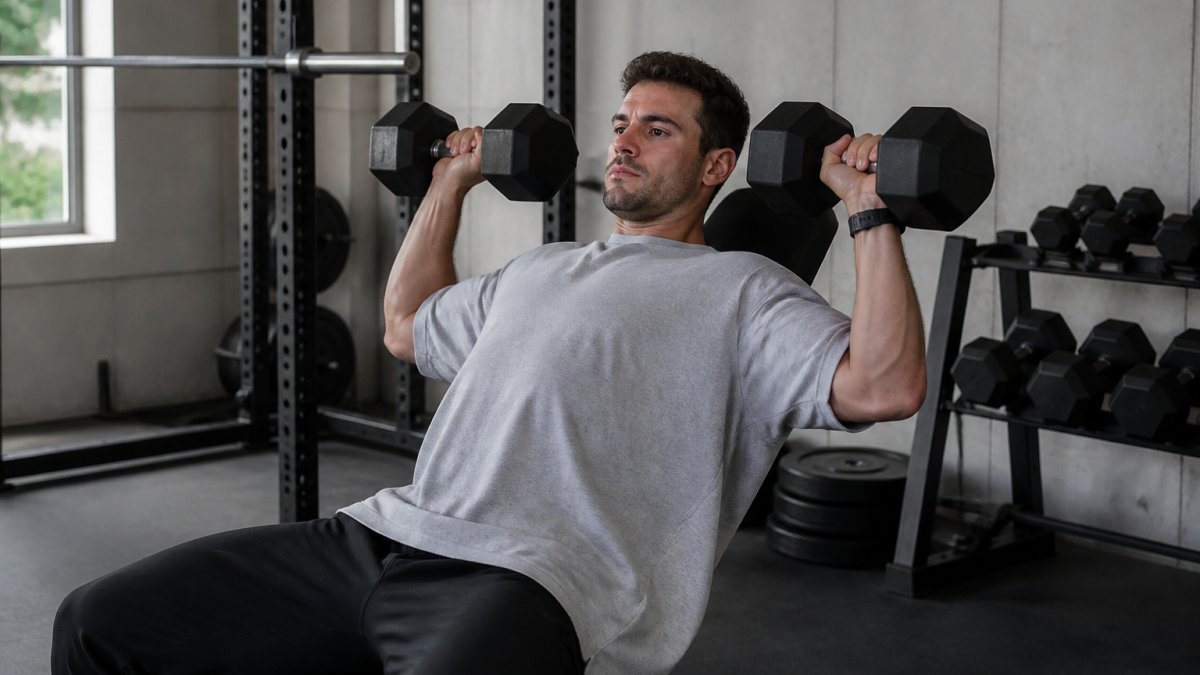
Cotton is good for gym workouts when the session is low-sweat, moderate in length, or built around rest periods. It suits strength work, lifting, yoga, Pilates, and walking far better than most people assume, the answer depends on how much you sweat, how long you train, and how hot the environment is.
Here is the practical decision guide.
| Training Type | Sweat Level | Heavy Cotton Suits? | Why |
|---|---|---|---|
| Weightlifting | Low to moderate | Yes | Rest periods let fabric dry |
| Powerlifting | Low | Yes | Structure holds shape under load |
| Yoga and Pilates | Low | Yes | Softness and free range of motion |
| Walking and light cardio | Low | Yes | Breathability keeps you comfortable |
| Strength circuits | Moderate | Sometimes | Shorter sessions work better |
| HIIT and spin | High | No | Moisture retention becomes a problem |
| Long outdoor runs | High | No | Damp fabric gets heavy and cold |
Strength Training and Low-Intensity Sessions
This is where heavy cotton wins. Lifting involves long rest periods between sets, so your body cools down, the fabric dries, and you never end up sitting in a soaked shirt. The structure helps too: a denser knit does not cling to your back during a bench press or bunch up under a barbell, a dropped shoulder seam gives your arms room on overhead presses, and a boxy cut keeps the hem from catching on a belt or bar.
High-Intensity and Sweat-Heavy Workouts
For HIIT, spin classes, and long runs, a technical fabric is the smarter pick. Cotton absorbs sweat and holds it; once damp, it gets heavier, dries slower, and pulls heat away from your body when you stop moving. That does not make cotton useless here, pick a lighter cotton piece, keep the session short, and change out of it promptly.
Managing Sweat, Drying, and Odour
The real problem with cotton in sweaty sessions is not the sweat itself but what happens after: damp cotton against skin stays damp, and that is where odour develops and chafing starts.
A few practical habits make a large difference:
- Change out of damp cotton within 15-20 minutes of finishing. The longer a soaked shirt stays on, the more odour sets into the fibres.
- Hang it to dry immediately, not in a gym bag. A crumpled damp shirt in a sealed bag is the fastest way to permanent smell.
- Wash within 24 hours. Odour-causing bacteria multiply quickly in damp fabric, and once they colonise the fibres, normal washing may not remove the smell.
- Use a vinegar soak for stubborn odour. A cup of white vinegar in a cold wash breaks down residue that detergent alone misses. Do not mix with bleach.
- Skip fabric softener. It coats fibres and reduces both breathability and moisture absorption, which makes the next session worse.
Hot, Humid, and Long-Duration Sessions
Heavy cotton is the wrong choice when the environment works against it. In hot, humid conditions sweat cannot evaporate from the fabric, so a heavyweight tee stays wet and heavy; in sessions over about 45 minutes of continuous sweating, the same problem builds up even in a cool gym.
Signs that heavy cotton is the wrong pick for the session ahead:
- You expect to sweat continuously for more than 45 minutes
- The space is hot, humid, or poorly ventilated
- You are training outdoors in direct sun
- You will not be able to change or dry the garment afterwards
In those conditions, a lightweight cotton tee, a cotton-synthetic blend, or a technical fabric keeps you more comfortable and dries faster. Heavy cotton is at its best when the session is short, the rest periods are long, and the environment is cool.
Durability, Fit, and Construction: What Separates Heavy Cotton From the Rest
Two heavyweight cotton shirts at the same GSM can last wildly different lengths of time. Construction decides which one survives.
Look for these markers:
- Double needle stitching at the hems and shoulders, which resists seam splitting
- Preshrunk fabric, so the garment does not shrink two sizes after the first wash
- Combed cotton, which removes short fibres and reduces pilling
- Dropped shoulder seams, which add range of motion for broader frames
The Quiet Unity Classic Oversized Tee carries all four: 100% combed cotton, preshrunk, double needle stitched, with a dropped shoulder design. That combination is why it holds its boxy silhouette instead of sagging after a few months.
Fit matters as much as cloth. A restrictive cut limits your range of motion on overhead presses and rows. An oversized cut with dropped shoulders gives your arms room to move without the shirt riding up.
How to Wash Cotton Gym Clothes So They Last
Washing is where most people quietly ruin good cotton. The fabric is durable; poor care is what kills it.
Follow this routine:
- Turn garments inside out before washing
- Wash at 30°C on a gentle cycle
- Use a mild detergent, not a heavy biological powder
- Skip fabric softener, which coats fibres and reduces breathability
- Avoid the dryer, or use low heat only
- Hang to dry in shade, away from direct sun
- Iron at low temperature if needed
- Never dry clean heavy cotton
Washing inside out protects the outer surface from abrasion, cold water limits shrinkage and colour fade, and air drying does the rest.
Choosing Heavy Cotton Pieces That Work as Hard as You Do
The right heavy cotton piece should disappear during training and still look sharp on the way home. When choosing, ask three questions:
- What is the GSM? Anything under 220 GSM is not heavyweight.
- What is the construction? Combed cotton, preshrunk, double needle stitched.
- Does the fit allow movement? Dropped shoulders and a boxy cut help.
The Quiet Unity Unity Classic Oversized Tee answers all three at $50.00, and the Quiet Unity Heavyweight Box Hoodie at $120.00 handles colder training days with its 420 GSM cotton build. Both are designed in Melbourne and ship worldwide.
If you want one piece that covers a morning lift and a client meeting afterwards, start with the tee.
Frequently Asked Questions
Is heavy cotton good for working out?
Yes, for many training styles. Heavy cotton (around 200-400 GSM) offers durability, structure, and comfort that lighter fabrics lack. It suits strength training, yoga, Pilates, and low-intensity sessions where breathability and range of motion matter more than quick-drying. For high-intensity or sweat-heavy workouts, a cotton-polyester blend or technical fabric may dry faster, but heavy cotton remains a solid choice for lifters who prioritise feel and longevity over moisture-wicking speed.
What are the benefits of heavy cotton gymwear?
Heavy cotton gymwear delivers durability, shape retention, and a premium feel. The denser weave resists abrasion and holds its structure through repeated washing, so pieces like the Quiet Unity Heavyweight Box Hoodie (420 GSM) or the Unity Classic Oversized Tee (6.5 oz) last longer than lightweight alternatives. It also offers better coverage, less transparency, and a softness that improves with wear. For training, this means apparel that stays out of your way and transitions easily to everyday wear.
Is cotton or polyester better for training?
It depends on the session. Polyester wicks sweat and dries quickly, making it ideal for high-intensity intervals or hot conditions. Cotton absorbs sweat but releases it slowly, which can leave fabric damp during heavy sweating. However, heavy cotton provides superior comfort, durability, and breathability for strength training, walking, and low-impact work. Many athletes keep both: polyester for cardio days, heavy cotton for lifting and daily wear.
How should you wash heavy cotton gymwear?
Wash heavy cotton gymwear in cold water on a gentle cycle to prevent shrinkage and preserve the fabric's density. Turn garments inside out, use a mild detergent, and avoid fabric softeners that coat the fibres. Tumble dry on low or hang dry in shade. For pieces like the Quiet Unity Heavyweight Box Hoodie, follow the care label: machine wash at 30°C, do not bleach, tumble dry low, iron at low temperature. This routine keeps heavy cotton soft and durable for years.
Heavy cotton is not the right answer for every session, and pretending otherwise helps nobody. But for strength work, low-intensity training, and anyone who wants gymwear that survives past one season, it is hard to beat. Quiet Unity builds heavyweight cotton essentials with preshrunk combed cotton, double needle stitching, and a minimalist, logo-light finish that moves from the gym to the rest of your day. Shop Men and find the pieces that stay out of your way.