Guides · · 6 min read
Gym Wear for an Australian Summer: What Weight to Train In
Summer training clothes come down to three things you can check: fabric weight, how much skin the cut covers, and how many layers you wear. Here is how to read each one.
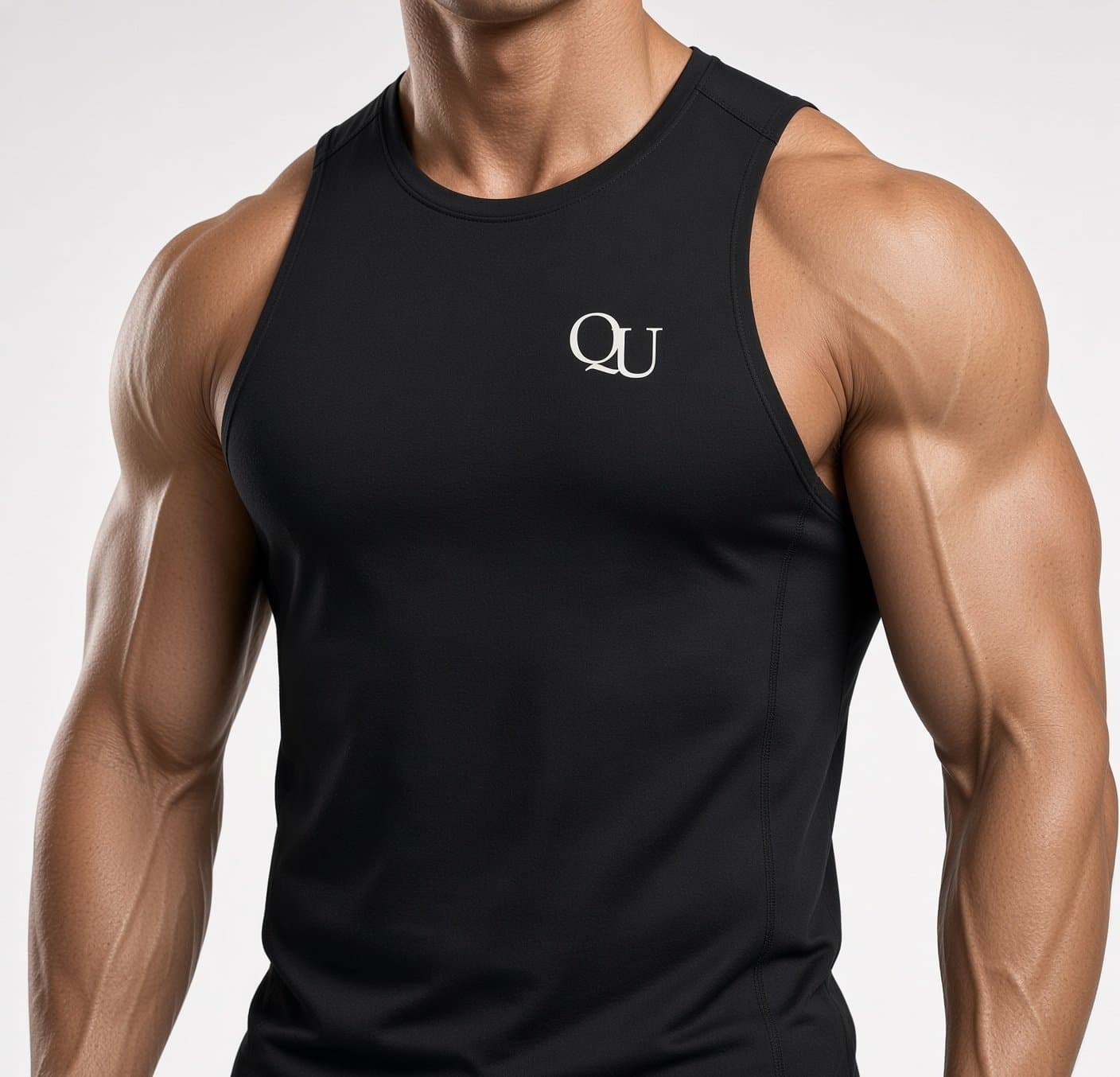
Summer training in Australia changes what you reach for. Most of the decision comes down to three things you can check before you buy: how heavy the fabric is, how much skin the cut covers, and how many layers you are wearing.
This guide covers what Sports Medicine Australia says about clothing in the heat, how to read fabric weight in gsm, and which of our pieces sit at the light end of the range.
What Sports Medicine Australia says about clothing in heat
Sports Medicine Australia (SMA) publishes Extreme Heat Risk and Response Guidelines for sport and exercise. Alongside hydration, its clothing advice is short. Where possible:
- select lightweight and breathable clothing with extra ventilation
- remove unnecessary clothing, equipment and excess layers
- reduce the amount of skin covered by clothing, which helps sweat evaporate
Those are general recommendations, not claims about any garment. What they give you is a checklist. Two of the three points, weight and coverage, can be read straight off a product page. The third, layers, is up to you on the day.
If you train outdoors or in a gym without air conditioning, read the full SMA guidance. It also covers heat risk levels and the warning signs of heat illness, which matter more than anything you wear.
How to read fabric weight
Fabric weight is listed in grams per square metre (gsm), or in ounces per square yard (oz). One ounce is about 34 gsm, so a 5.3 oz piece is roughly 180 gsm. A higher number means more fabric in every square metre. It does not tell you how a piece will feel on a hot day by itself, because fibre, knit and cut matter too. It is still the most consistent number to compare across brands.
For a longer explainer, read Is Higher GSM Better?. Every piece we sell lists its weight, and the full table is in our Fabric Weight Index.
Weight bands for summer training
These bands use the weights listed on our own product pages. They are a way to sort a range, not a rule.
| Band | What it usually means | Our pieces in this band |
|---|---|---|
| Under 150 gsm | The lightest training pieces, mostly shorts | Form Scrunch Short (110 gsm), Unity Active Shorts (3.7 oz, about 125 gsm) |
| 150 to 199 gsm | Light tops, tanks and shorts | Training Short (165 gsm), Stringer (180 gsm), Unity Street Crop Tee (5.3 oz, about 180 gsm), Heavy Tank (185 gsm) |
| 200 to 250 gsm | Mid-weight: most of our tanks, bras, leggings and the classic tee | Contour Tank, Halter Bra, Unity Active Leggings, Unity Classic Oversized Tee (all about 220 gsm) |
| 275 gsm and up | Heavier cotton tees, sweats and hoodies | Better kept for before and after the session than during it in summer |
The range runs from 110 to 420 gsm, with a median of 220 gsm, so anything under 200 gsm sits in the lighter half of what we make.
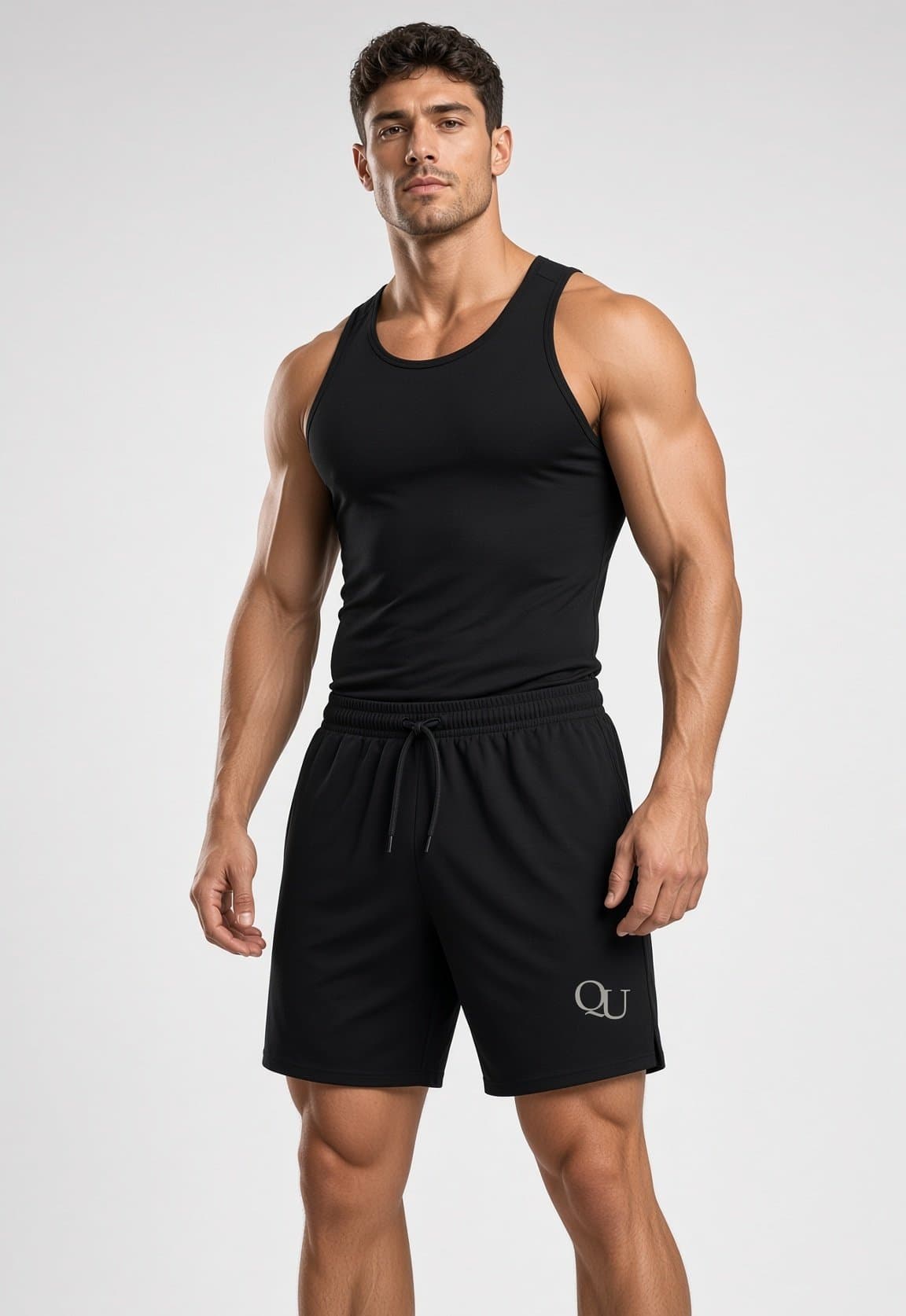
Our lightest pieces, by weight
Form Scrunch Short, 110 gsm. Our lightest piece. Listed as 94% polyester and 6% elastane, with a high rise. Form Scrunch Short
Unity Active Shorts, 3.7 oz (about 125 gsm). A men's training short, listed as lightweight fabric. Unity Active Shorts
Training Short, 165 gsm. Listed as 77% nylon and 23% spandex. Training Short
Stringer, 180 gsm. A slim-fit stringer tank, listed as 87% polyester and 13% spandex. Of the tops here, a stringer cut covers the least skin. Stringer
Unity Street Crop Tee, 5.3 oz (about 180 gsm). A women's crop tee in 100% cotton, for anyone who wants cotton at the light end. Unity Street Crop Tee
Heavy Tank, 185 gsm. Listed as 87% polyester and 13% spandex. Despite the name, it sits in our lighter band; the listed weight is what to go by. Heavy Tank
Coverage: the second number to check
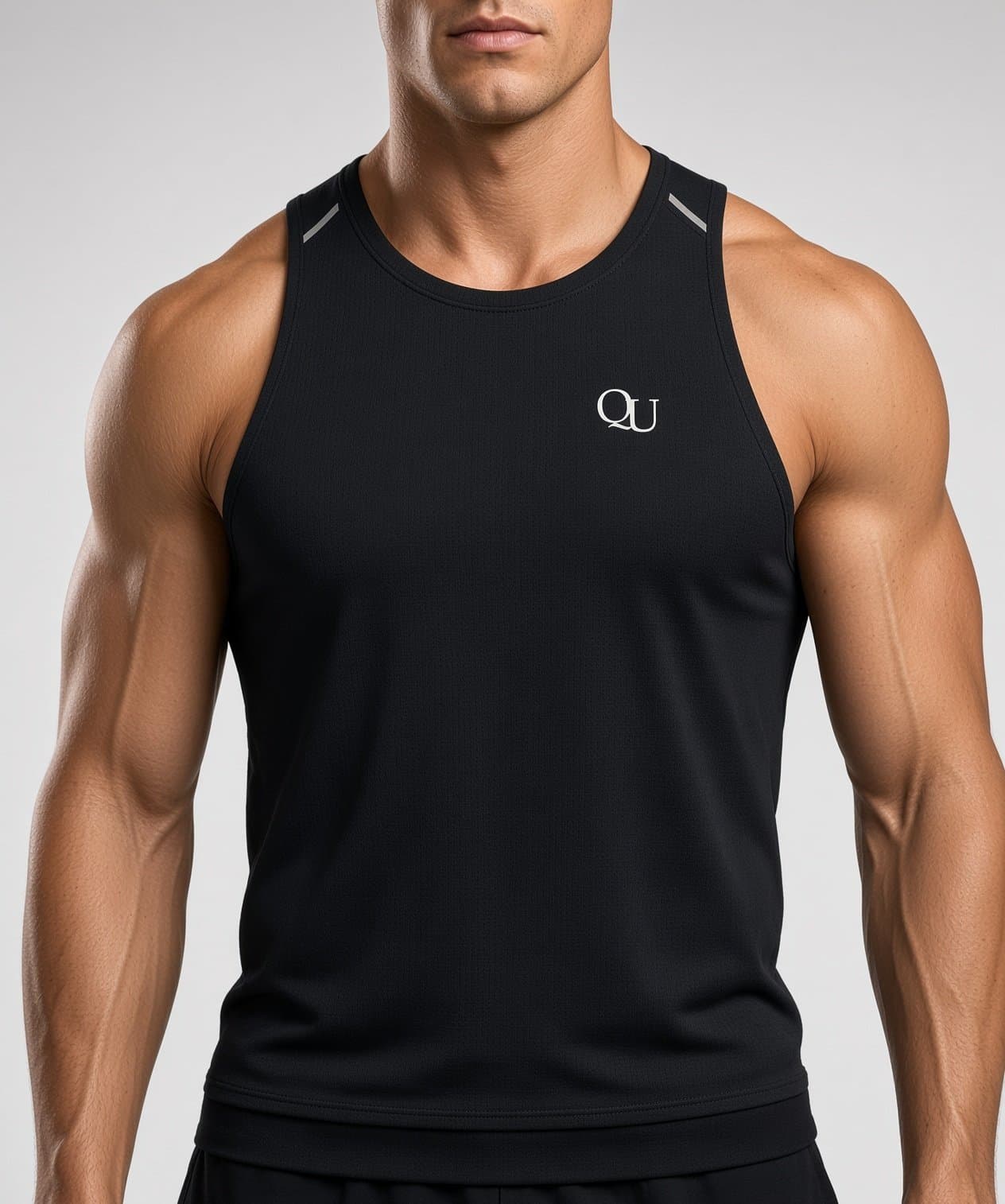
Weight is one part of SMA's advice. The other part you can check is coverage. A stringer or a tank leaves the shoulders and arms open; a tee covers them. Shorts cover less than leggings. If two pieces weigh the same, the one that covers less skin is the closer match to SMA's checklist.
That is also why a heavier piece can still have a place in a summer kit. A 220 gsm tank leaves the arms open; a 220 gsm tee does not. Read the weight and the cut together.
Layers: arrive covered, train light
Plenty of people still arrive at the gym in a tee or hoodie, especially for early sessions. That is what a pump cover is for: an outer layer you take off once you are warm. In summer, the usual move is a lighter cover, or none, over a light tank or stringer. Our pump cover guide goes through it by season.
Taking a layer off mid-session is the simplest version of SMA's advice to remove excess layers. Train in the light piece, keep the heavier one for the walk home.
Fit in the heat
Fit is personal, but check the size guide before you order, since a slim stringer and an oversized tee are cut very differently. Its measurements are taken across the garment laid flat, in centimetres. If you are between sizes, it suggests the closer fit in tights and training tops.
On weight and wear
Some guides say that lighter fabric wears out sooner, and others say heavier fabric lasts longer. We don't make claims either way. Fabric weight tells you how much fabric is in the garment; it is not a measure of how long a piece will last or how it will feel in the heat. Use it to compare, then look at fibre and cut.
Frequently asked questions
What should I wear to the gym in an Australian summer?
Sports Medicine Australia recommends lightweight, breathable clothing with extra ventilation, fewer layers and less covered skin where possible. In practice that usually means shorts and a tank, stringer or light tee. Check the fabric weight on the product page and the cut.
What gsm is good for summer training?
There is no single right number. As a way to sort a range, pieces under 200 gsm sit at the light end. Ours run from 110 gsm (Form Scrunch Short) to 185 gsm (Heavy Tank) in that band.
Is cotton or synthetic better for summer gym wear?
It depends on what you prefer to wear. Our under-200 gsm pieces are mostly polyester, nylon and elastane blends, with one 100% cotton option (Unity Street Crop Tee). Each product page lists the fibre content, so you can compare directly.
Should I wear a pump cover in summer?
Only if you want to. In summer it is usually lighter or skipped altogether. If you wear one, take it off once you are warm, in line with SMA's advice to remove excess layers.
Where can I find the weight of every Quiet Unity piece?
Every product page lists its fabric weight, and the full list is in the Fabric Weight Index.